Bob

Monsoon Evening

Monsoon Evening

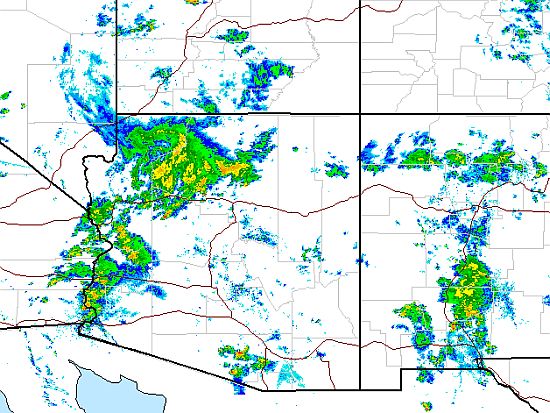
We had a pretty good rain shower this afternoon. It quickly came and went without much impact other than raising the humidity in our part of the Sonoran desert to an astounding 65%. Who ever said that Sonoran summers were a DRY heat?

All jesting aside, the rain this summer has brought a badly needed increase to the ground water plane here, regardless of the minor discomfort of a little mugginess. Tonight’s radar weather map indicates a lot of shower activity along the lower Colorado river and north of I-40 in the Kaibab plateau. The Sandia mountains and a lot of new Mexico are also enjoying a rainy evening.

There are a few flash flood warnings in all the heavy rain shower areas.

Carrion Flower

Carrion Flower

We brought one of our stapelia gigantea plants from California to the Arizona High Desert. I didn’t know if this south African succulent would like the climate here, but apparently it is OK. This is the second flower that opened on this plant since it has been here. The flowers on this plant are smaller than the ones we used to get in California. They also are blooming earlier than the September California blooms.

From Dave’s Garden:

Stapelia gigantea — Interesting succulent, olive green and erect. Lots of branches. 4-sided spineless stems average up to 9 inches and about 1 inch thick. Cactus-like appearance.

Grown mostly for the starfish-shaped flower. Flowers are pale yellow with reddish stripes, covered with white hairs. Flower can average 8 to 12 inches across. It is said to look flesh-like, also reported to have a rotting meat odor, which attracts its main visitor, the fly, for pollinating

This plant which is usually grown in pots is known by several common names which include the following: starfish flower, Zulu-giant, carrion flower and giant toad. It is native to southern Africa and Mozambique.

By the way, Dave’s Garden is one valuable resource when trying to learn about plants and flowers

Lawyer’s Tongue Cactus

lawyer-tongue.jpg

Lawyer’s Tongue prickly pear cactus is also known as “Cow’s Tongue,” “Donkey Ear” and opuntia engelmannii var. linguiformis. We collected a specimen that was laying on the ground under a larger plant in the wash running through one of the local parks. We placed it in a pot of native soil from our wash last summer. I think it likes it here because it quickly grew two new pads the first year. Now, it is almost time to re-pot it or maybe put it in the ground.

We found WufStuff, a very interesting website that describes this cactus and has a lot of good information about prickly pear cacti in general. Excerpt:

A common sight in Arizona gardens is the Cow’s Tongue Prickly Pear. Folks like this cactus because of the unusual shape of the pads, which strongly resemble a cow’s tongue. It takes little water, and has yellow or orange flowers in the spring that form along the margins of the pads, followed by numerous red fruits.

The cultivating of these cactus requires only that it be planted and left to grow on it’s own, no fertilizer, no watering, nada, nothing. Best grown on land useless for growing corn and other Cattle feed stock. After a year or two, the pads are ready to eat and the fruit is ready to harvest if so desired. After each feeding the cactus is left to grow another meal which happens quite quickly in the desert lands of the Southwest.

Click on the image above to enlarge.

New Panorama of the House

2012-08-14-pan.jpg

Now that the saguaro cactus is on the property again, I figured that the panoramic image of the house should be updated. I went out to the road and snapped a couple of images that I stitched together to produce this nice image of our house. Click on the image to enlarge.

Note to self: Update the image in the header, too.

Sunset Panorama

sunset-pan.jpg

Just another beautiful sunset photographed from our RV drive behind the house looking westward. What a wonderful display of color and texture. Click on the image to view full sized panorama.