September 2007

Sharing Targets at the Range

When we go to the range to practice, we generally share a target. We use one for the revolvers and generally change it out when we switch to the 9mm pistols. Most of the time when a target gets perforated to the point of not being able to see where the rounds are going, we will paste on one of those fluorescent glows-where-you-hit-it targets. For shotguns, we put up 2 x 3 foot silhouette targets.

Although we generally know who is hitting where on the target, there is some ambiguity. At the end of the video here you will see that even though there are shots all over the target, we are collectively getting pretty good at hitting the center a lot of the time.
The Eyes Have It

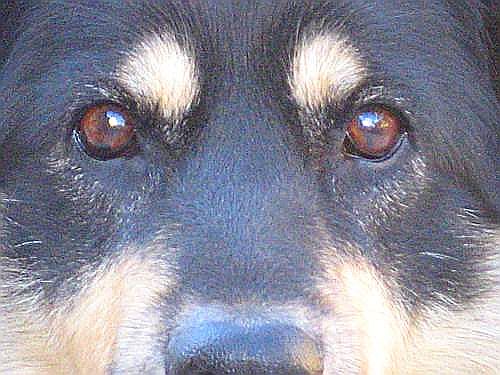
Bear is such a faithful and gentle dog. She was watching me take pictures in the back yard when I turned and shot this one of her. I had the zoom set for close up, and luckily got her face centered in the frame.

bear-gaze.jpg

After the Rain

vicente.jpgWe did a little shopping this morning after the overnight rain. We got some sports equipment at Big 5 and some gun cleaning and target practice supplies at Turner’s Outdoorsman. Having nothing else to do and since it was early, we decided to head down to the Palos Verdes Peninsula. it was certain to be clear after the rainfall. We weren’t disappointed – we had crystal clear views of Santa Catalina Island and all the way out to Santa Barbara Island. We posed for this picture at the Point Vicente Interpretive Center with the lighthouse in the background. Click for the full-sized picture.

Speed Loaders

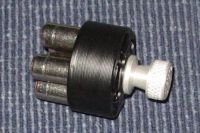
speed-loaderUnlike pistols, where a magazine is preloaded with a number of rounds, a revolver, such as my little Smith and Wesson 442, you need to insert a round in each chamber of the cylinder before firing. My gun holds five rounds and it takes several seconds to load before snapping the cylinder into the frame and commence firing.
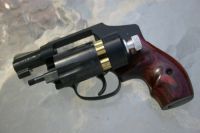
sw4421.jpgWe still load the guns the ‘old’ way at the range, but at home, we preload rounds into speed loaders and keep them handy so we don’t have to have loaded guns – until we need them – and likely won’t have the time to put five individual rounds in the cylinder. That way, with a simple twist of the release knob, the rounds simultaneously fall into the cylinder and with a snap, the revolver is ready to defend the Ponderosa.

Golden Garibaldi

garibaldi-rocks.jpgThe bright orange fish seen just below the ocean surface are called Garibaldi; they are fish of the damselfish family that are native to the northern subtropical parts of the Pacific Ocean, ranging from Monterey Bay to Guadalupe Island, Baja California. The Garibaldi is the official “marine fish” of the state of California and is protected in California coastal waters.

As we walk along the shoreline in Avalon, we often see Garibaldi just below the surface close to shore or in the waters below the piers and landings. The waters are fairly calm since this part of the island is opposite the prevailing west winds. I took this picture near the Casino point where there were several Garibaldi feeding by the rocks. Click on the image for a larger view.

Basking on a Buoy

buoy-seals.jpgWhenever we take the Catalina Express to or from Catalina, we never fail to see several California Sea Lions basking on the harbor navigation buoys. I took this picture as we passed into the harbor returning to the San Pedro Catalina Terminal.

Most pinnipeds are protected under the Marine Mammal Protection act, and organizations such as the Marine Mammal Care Center at Fort MacArthur (we are supporting members) provide rescue, rehab and restoration to the habitat for injured critters.

It’s not uncommon for sea lions to rest on buoys; they will also often gather at marinas and wharves. These man-made environments provide them safety from their natural predators: orcas and white sharks.

You can click on the image for a larger view.